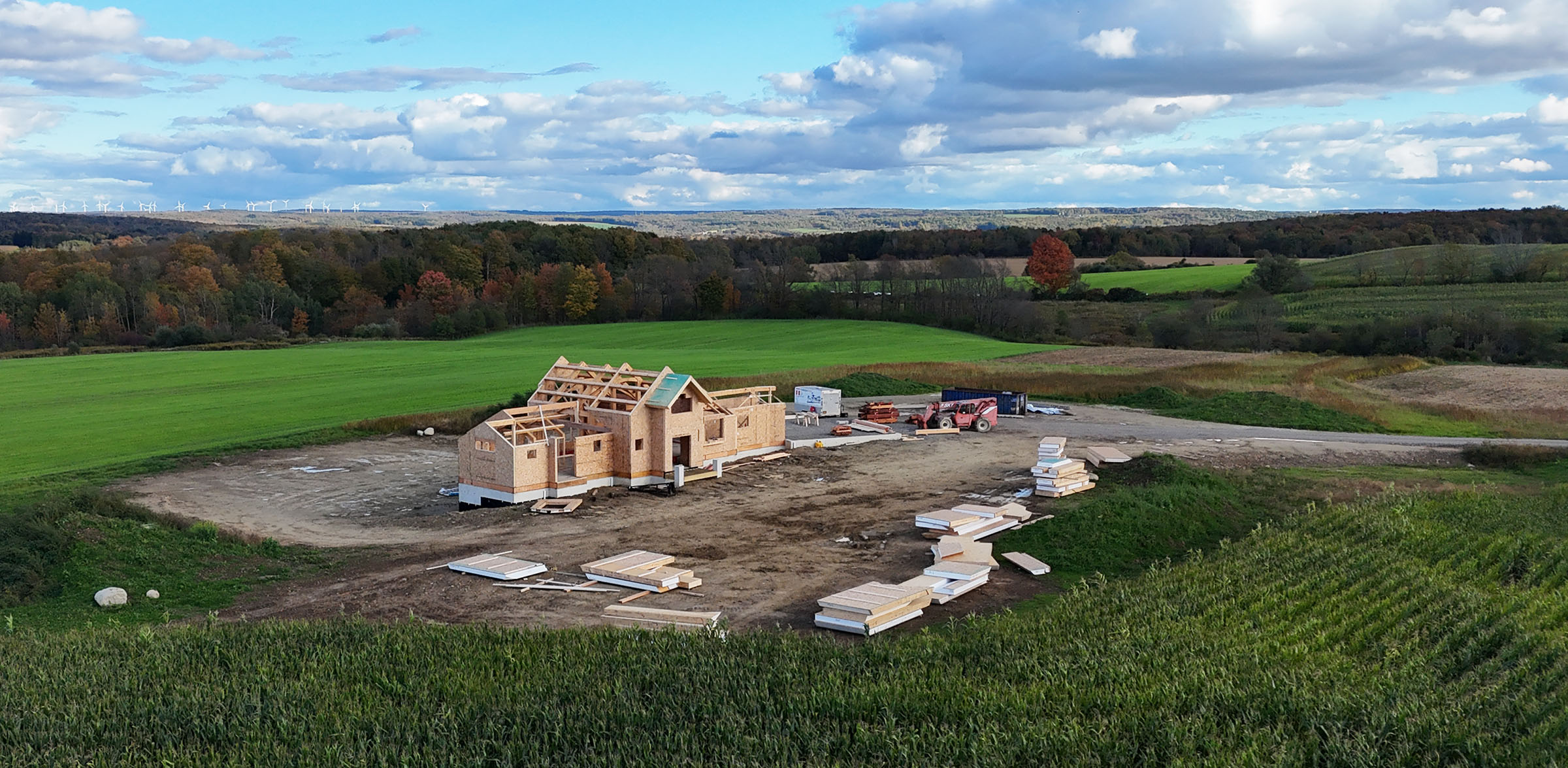

Those mountains in the background, that’s Glacier National Park.
We’re all for bringing back the glaciers.
Whoever said that green can’t also be gorgeous?
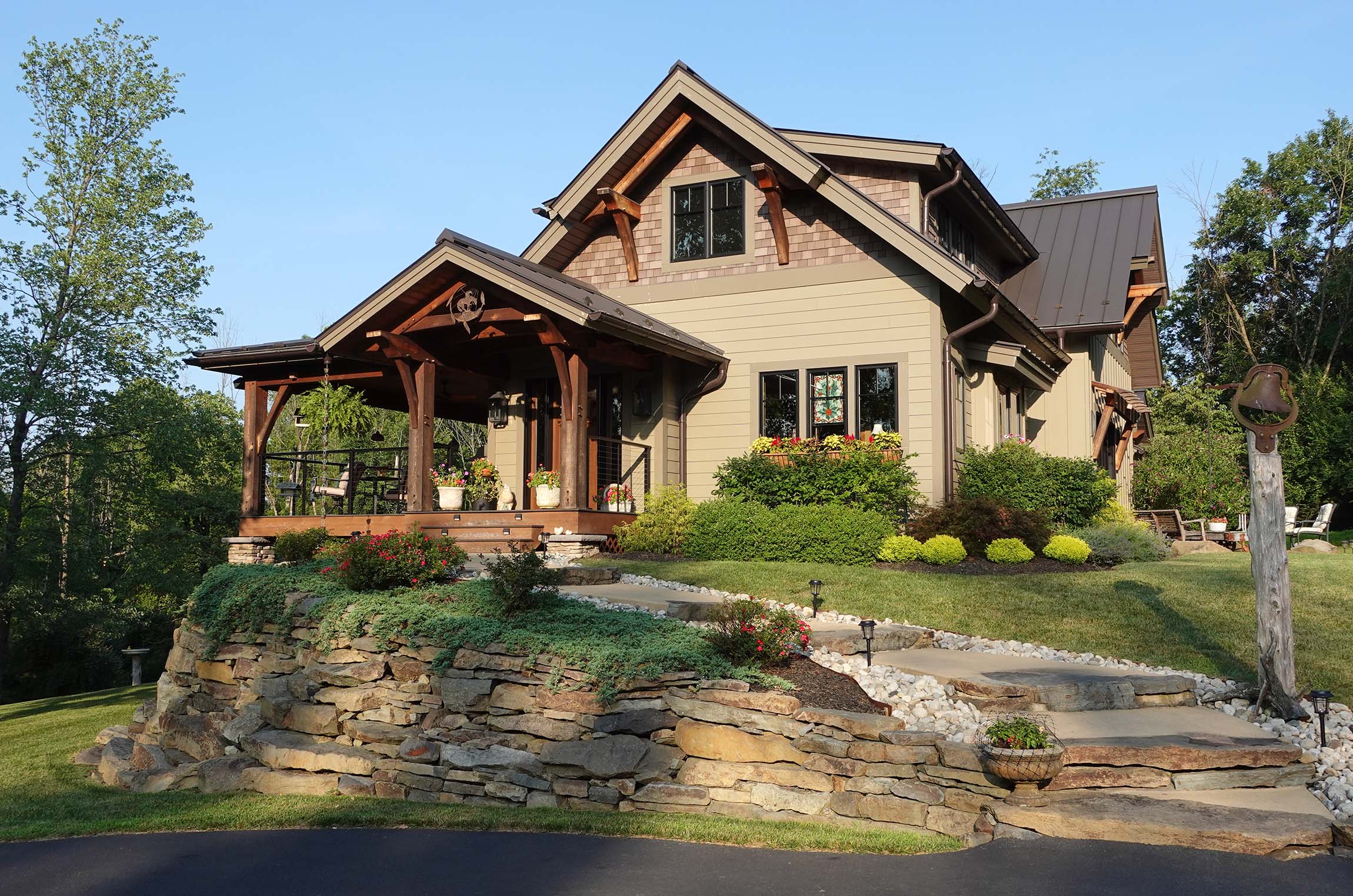
Our homes live for generations because you take care of what you love.
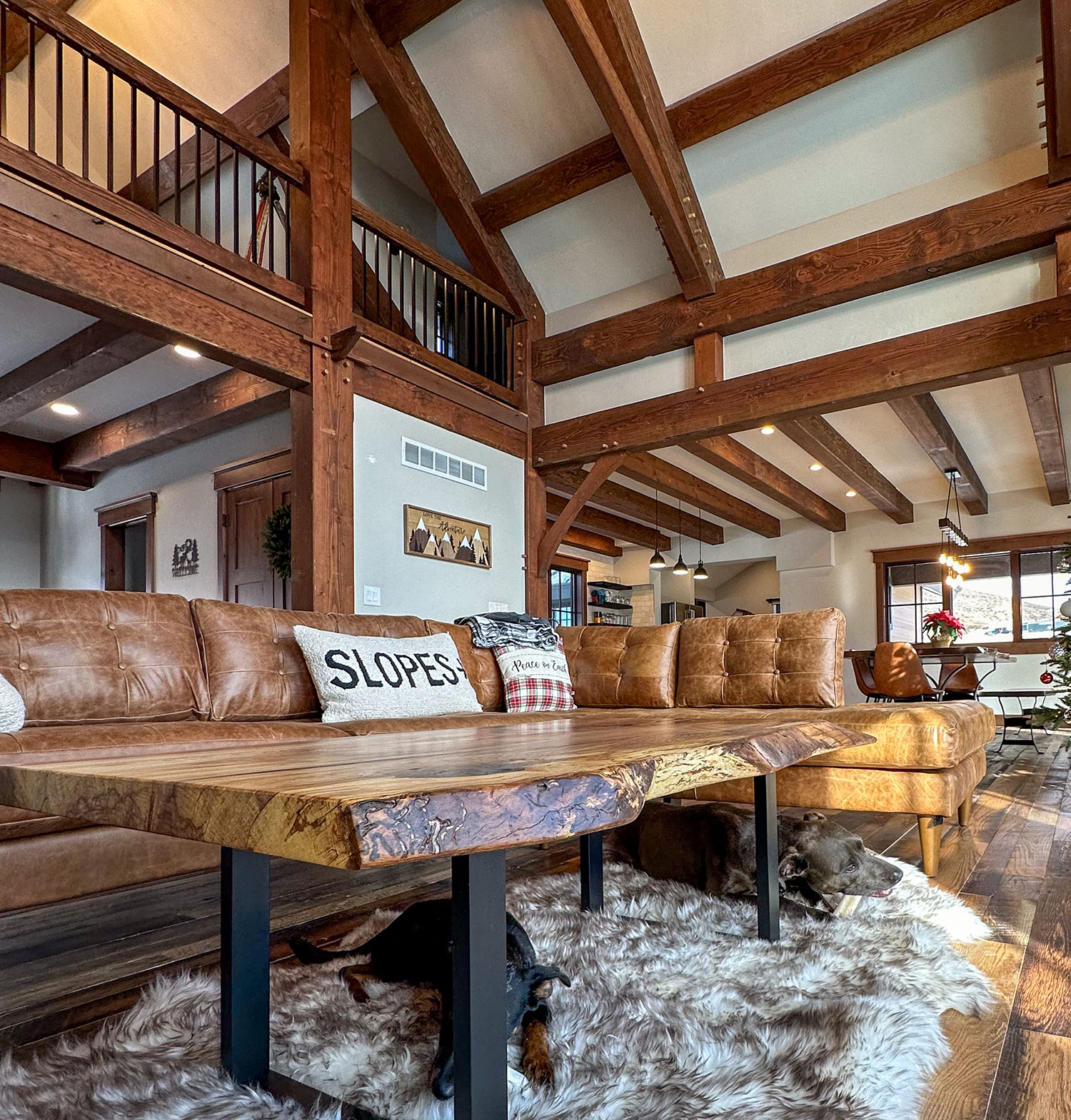
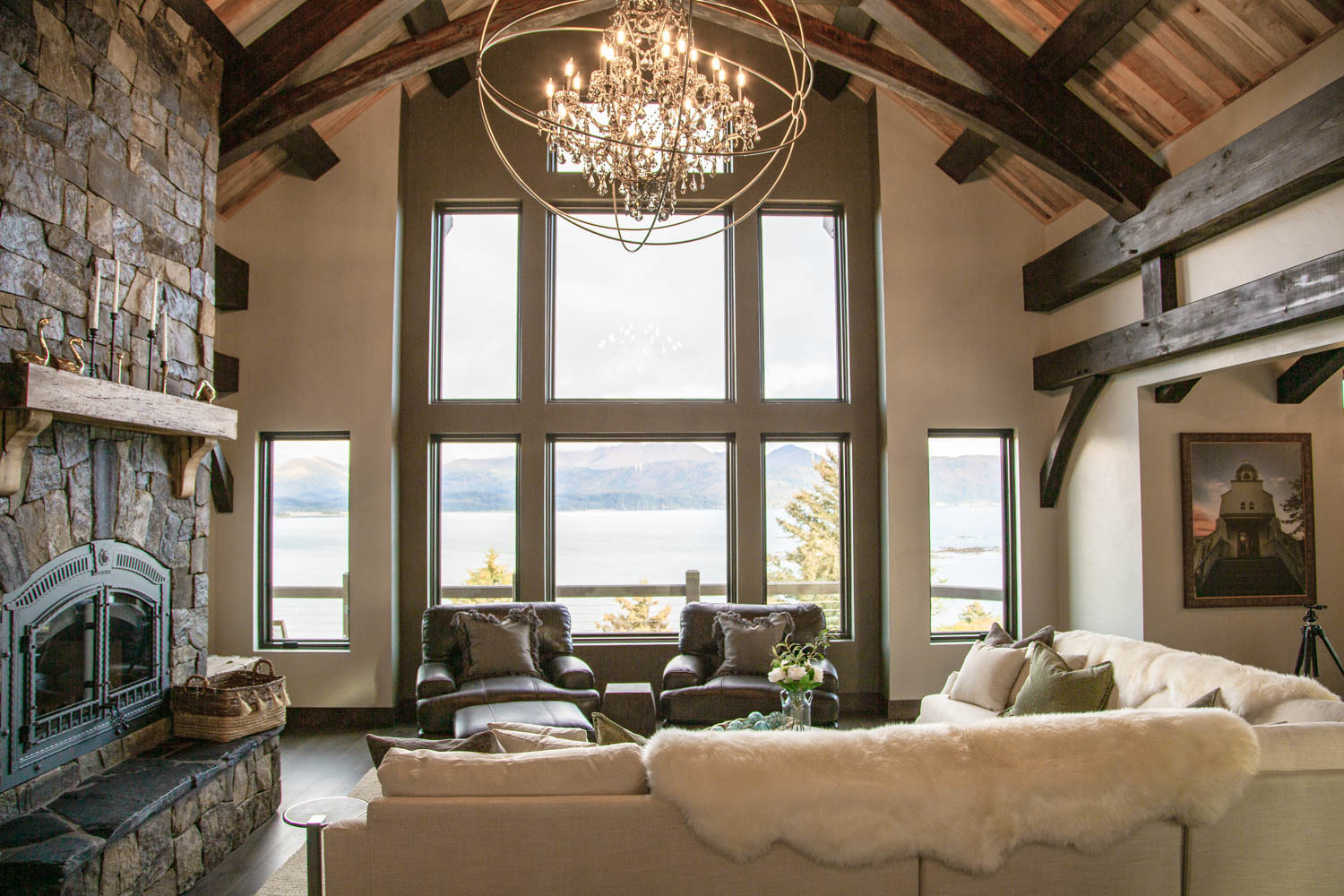
SIPs (Structural Insulated Panels) are the secret sauce. Cut with CNC precision, we make our walls and roofs out of these tough as nails modular building units.

Made from expanded polystyrene (EPS) sandwiched between two structural sheets of oriented strand board (OSB), SIPs are one of the most energy efficient building systems on the market today thanks to their rigid insulation and near zero air infiltration.

Timberbuilt will complete all of the technical drawings for the SIPs as part of our Timber & Panel package. Once we’ve finished the schematics the SIPs are cut according to our specifications (at Insulspan’s production facility) and the leftover materials are recycled.
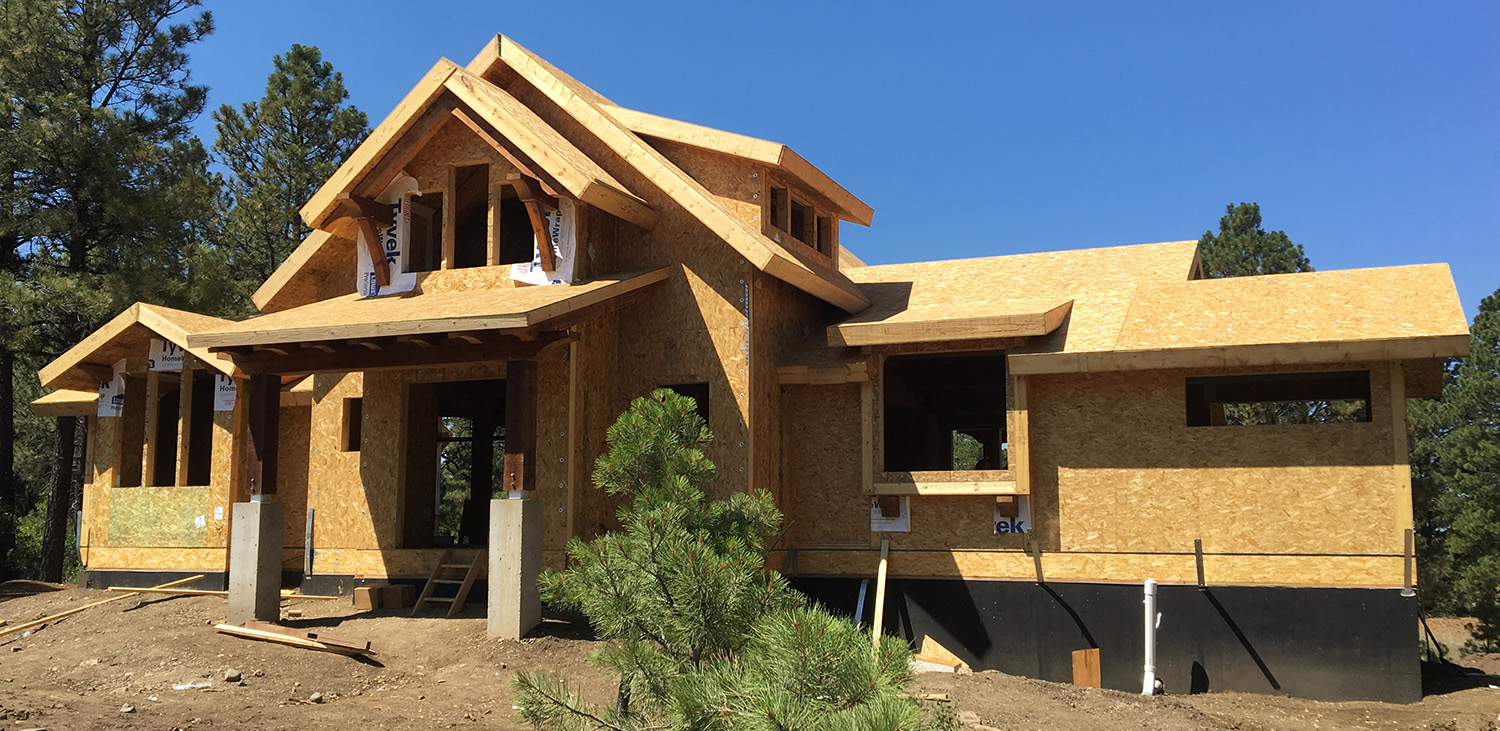
The thick EPS core is an excellent filter for noise. The world is a chaotic place, leave it at the front door where it belongs.
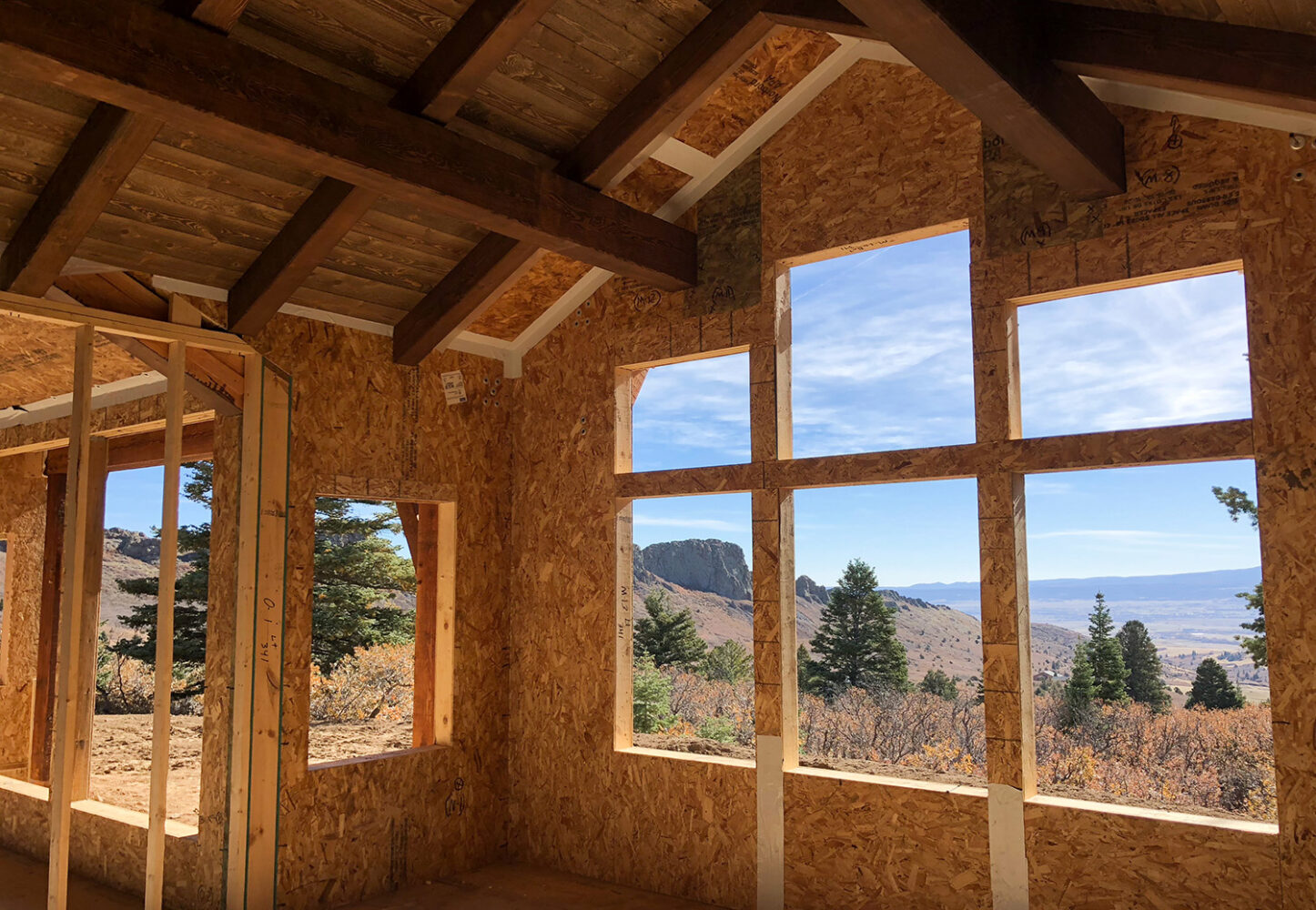
SIPs form a tight seal which keeps warm air in and cold air out (or vice versa). They’re also an effective barrier against insects, rodents and other pests.
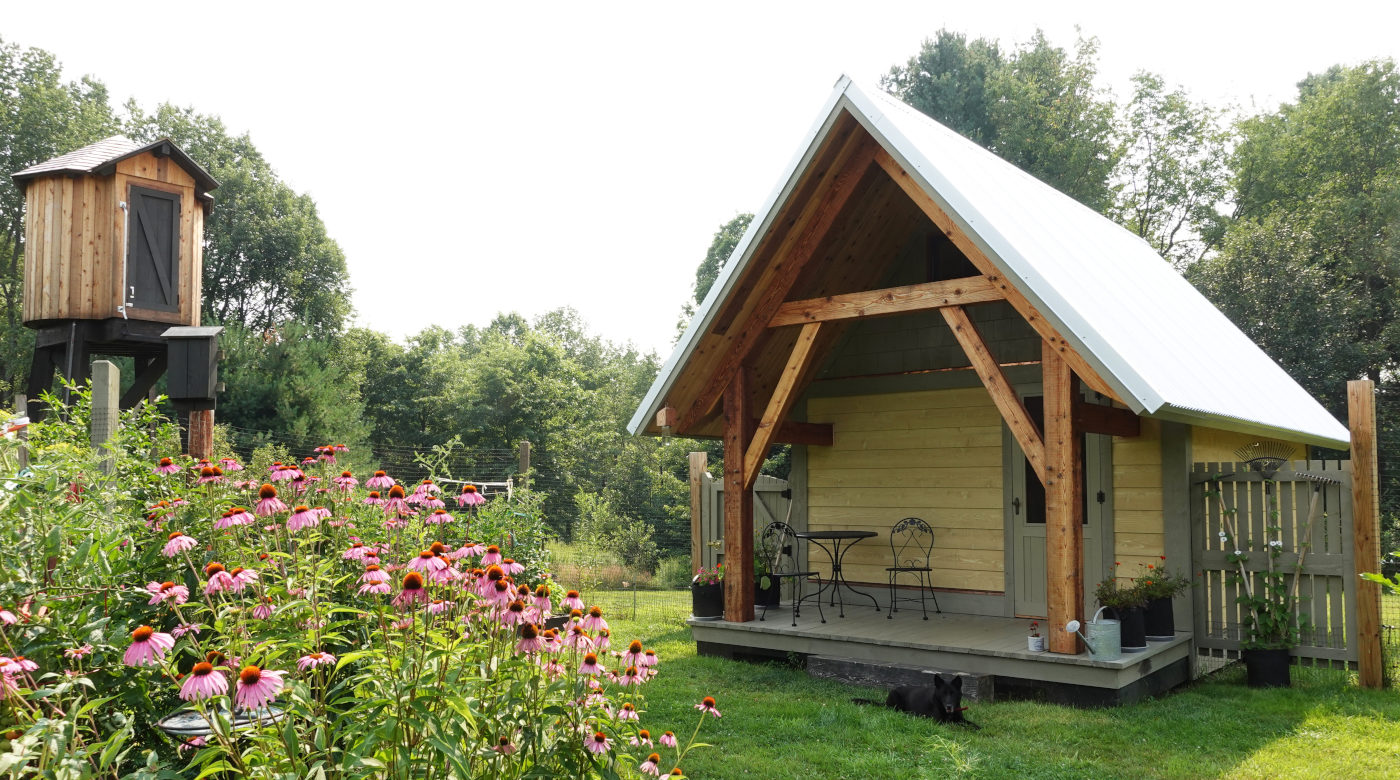
On average (according to this study from Oak Ridge National Laboratory), SIP homes require 40% less energy to heat and can be up to 90% more airtight versus stick-framed homes.
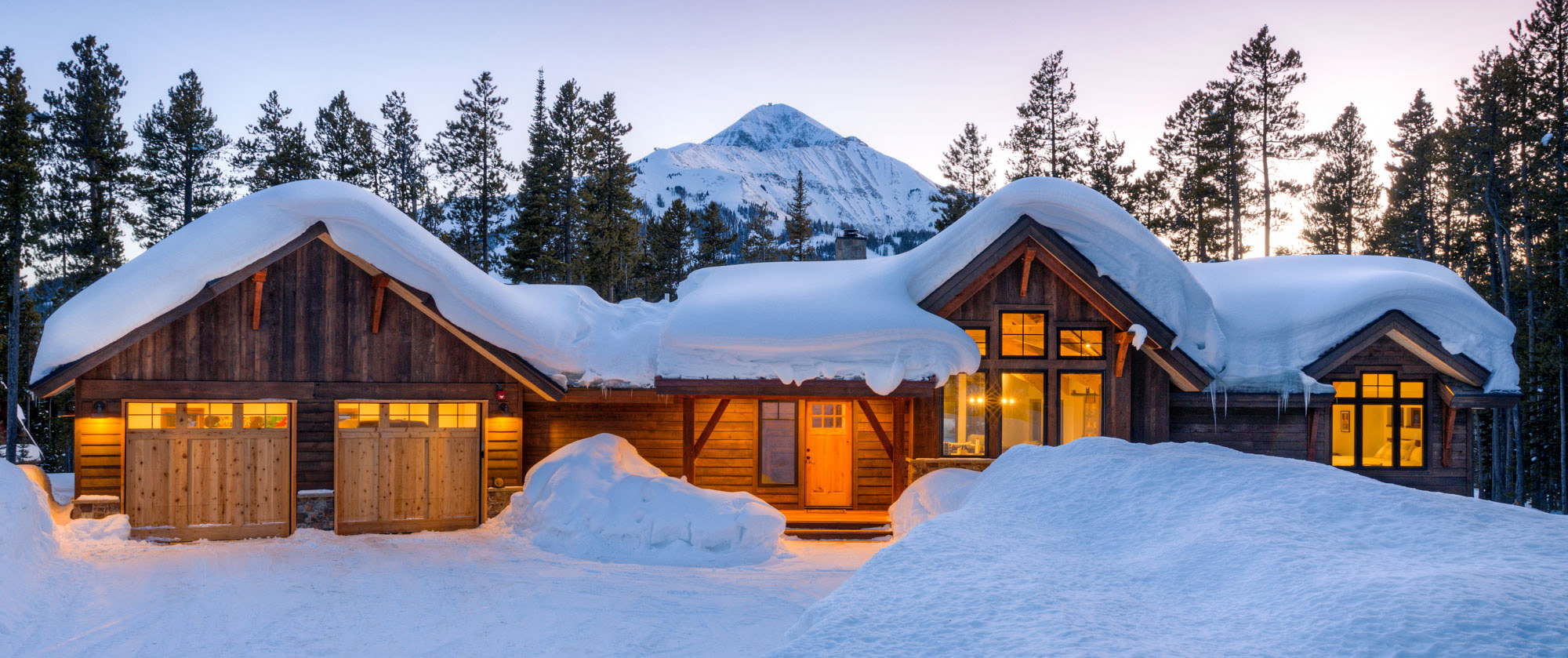
The biggest component of heat loss in a house is air infiltration. If you want to downsize your HVAC system, reduce your heating bill and use less energy, you should build a house that doesn’t leak. That’s where our hybrid SIP homes excel.
A study from Brock University compared two homes with identical floor plans. The first home was built with traditional 2×6 construction, the second with 4.5” thick SIPs. The stick-framed home had an average of 2.6 ACH (Air Exchanges per Hour), versus 1.5 ACH for the SIP home. Put differently, the stick-framed home was 68% more “leaky” than the SIP home.
How does a Timberbuilt compare? Instead of the 4.5” panels used in the study, we build with 6.5” wall and 10.25” roof panels and our homes regularly achieve less than 1 ACH (as measured by a blower door test).
If you like staying warm in the winter & cool in the summer, you’re in the right place.
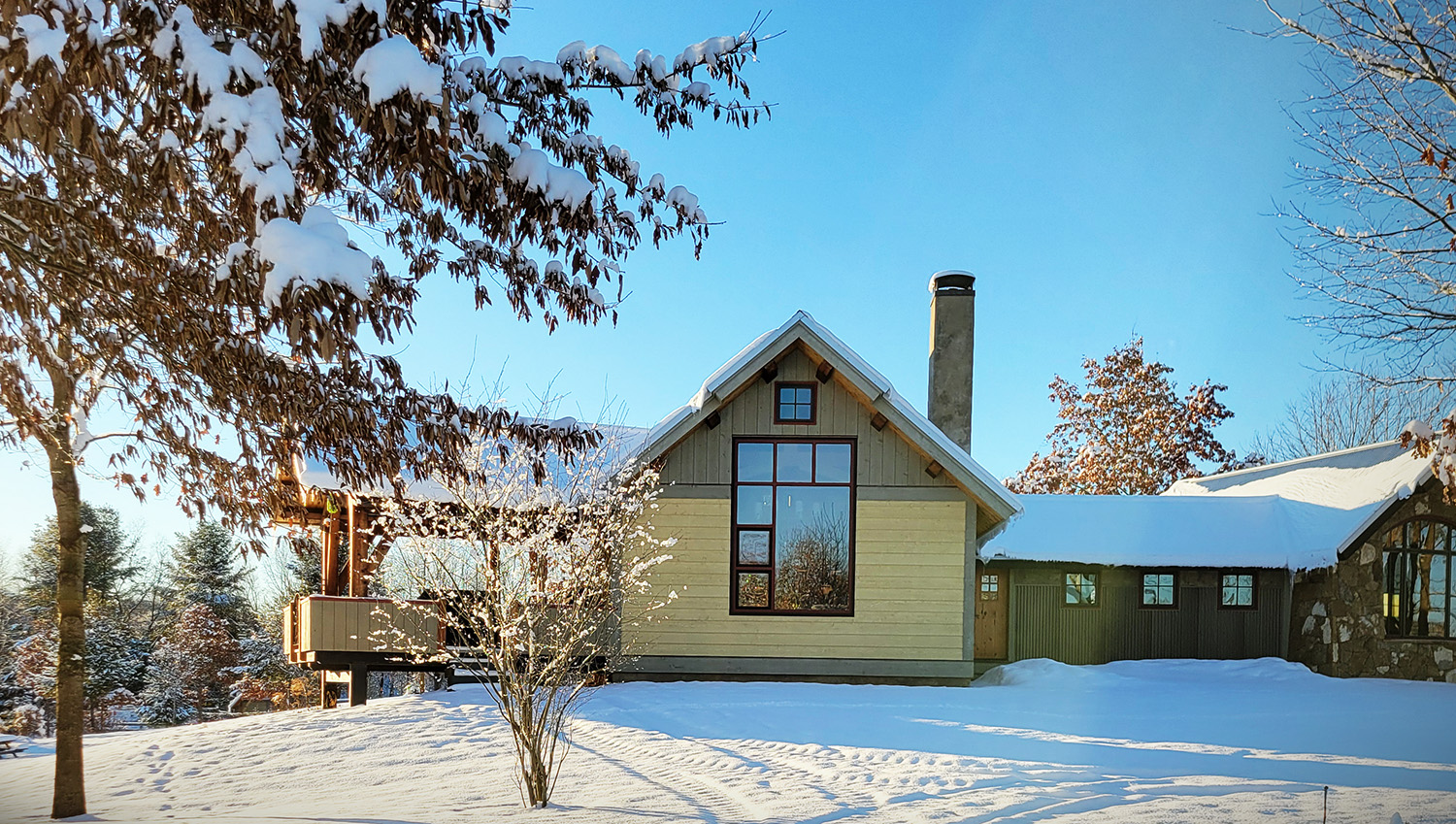
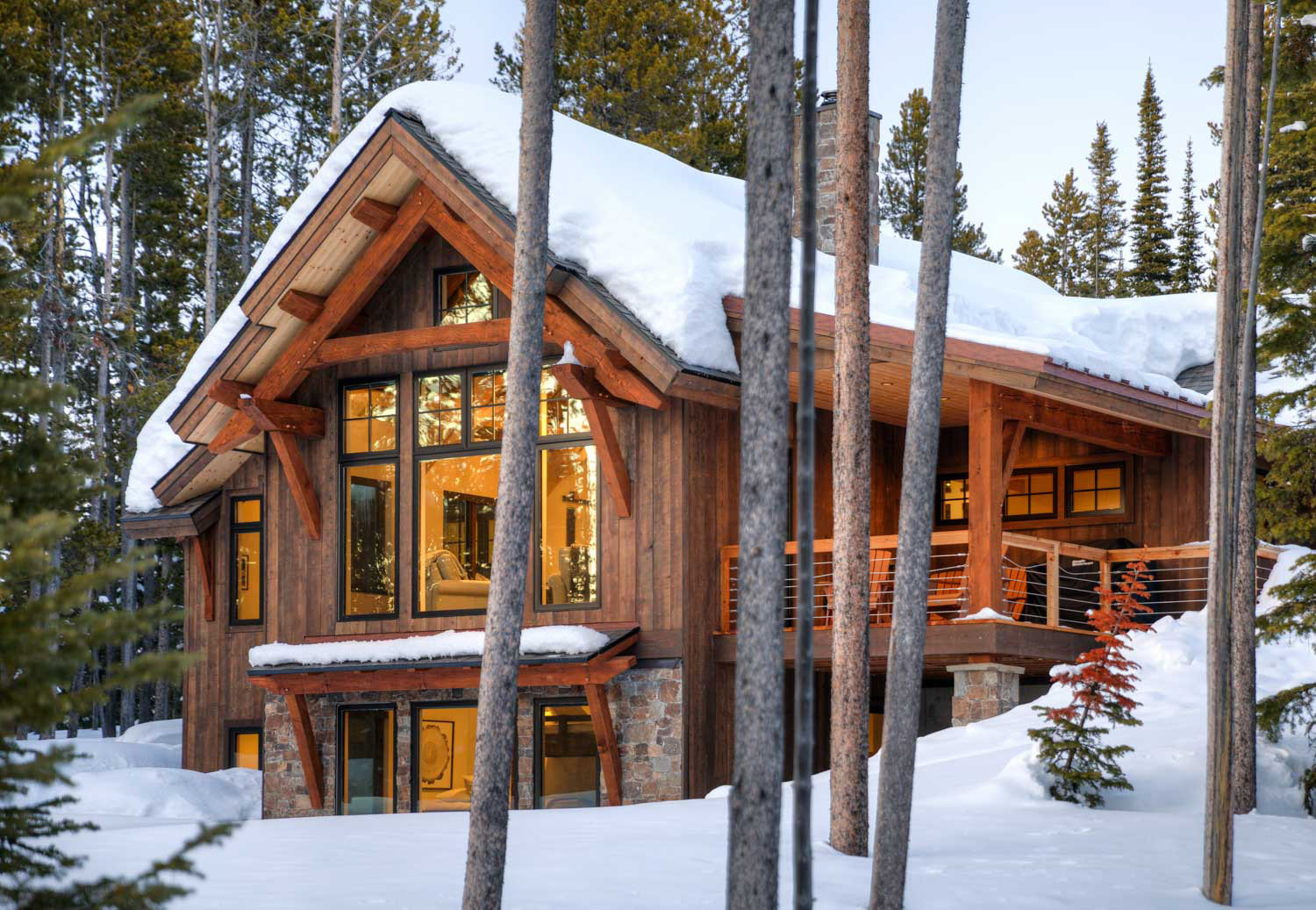
Timberbuilt & green building
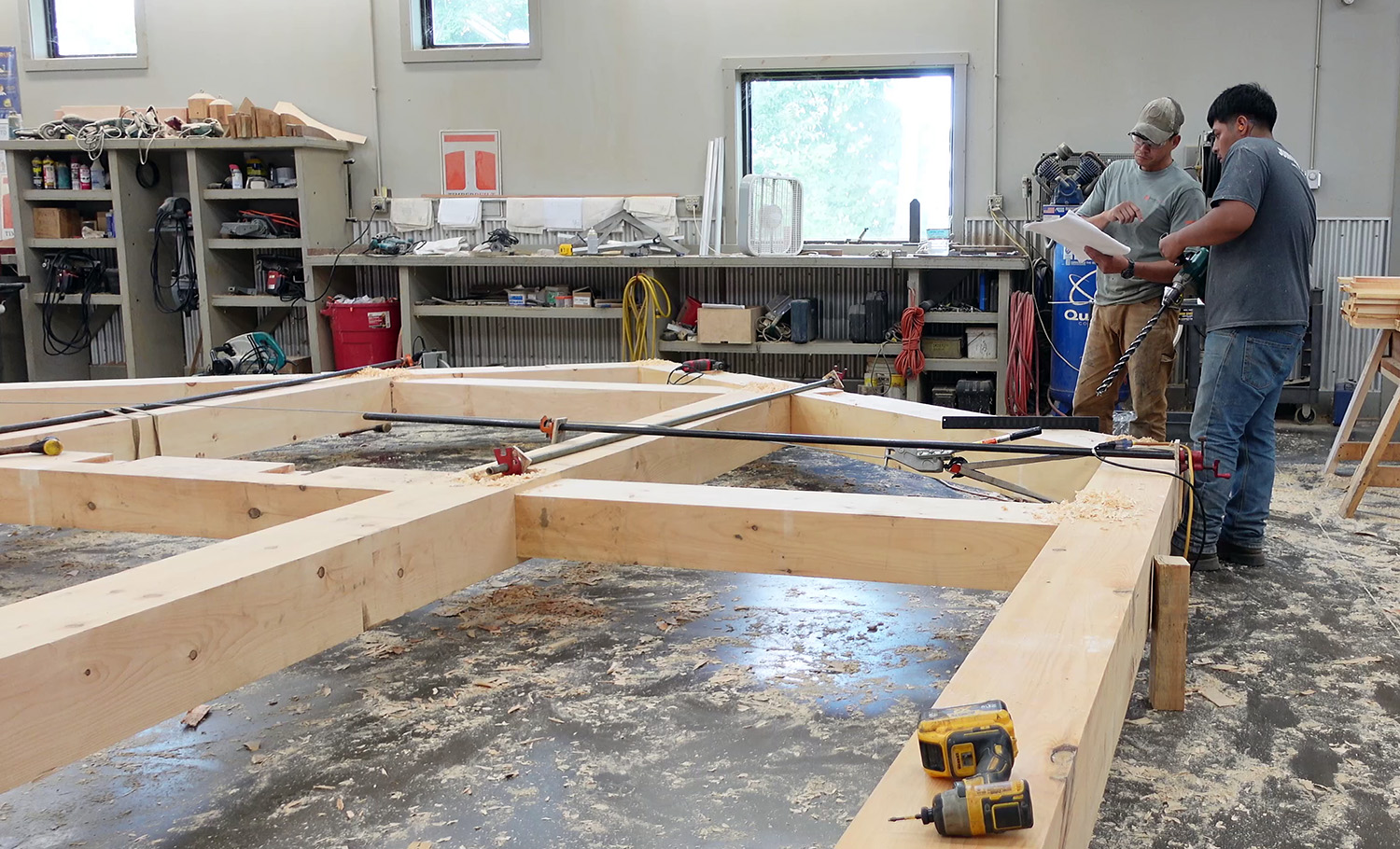
We cut the timbers by hand, and use the offcuts to heat our shop through the long Buffalo, NY winters.
At the jobsite we show up with a pickup truck & trailer. Our jobsite efficiency means that our homes make sense anywhere in the country.
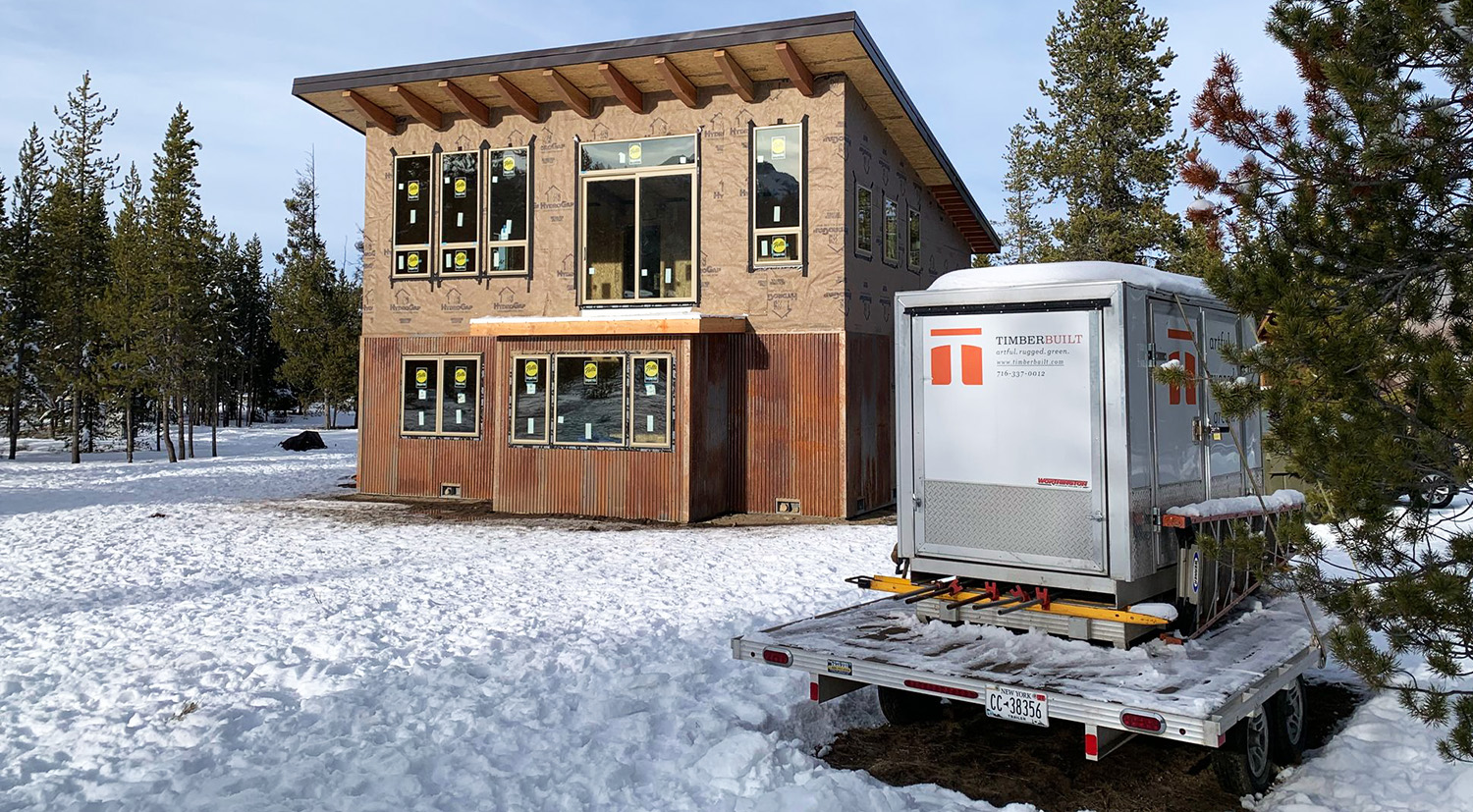
From the Aleutian Islands in Alaska to the bayous of Florida, if you can clap your eyes on it we can build there.

Maximizing your home’s energy efficiency
To maximize a Timberbuilt’s energy efficiency, consider upgrading your windows and doors.
A steel roof can work wonders too. Light-colored reflective roofs reflect sunlight, keeping the earth cool as well as your house. Steel roofs also last longer than asphalt shingle roofs, and when they wear out they’re fully recyclable.
Energy Efficiency Stats
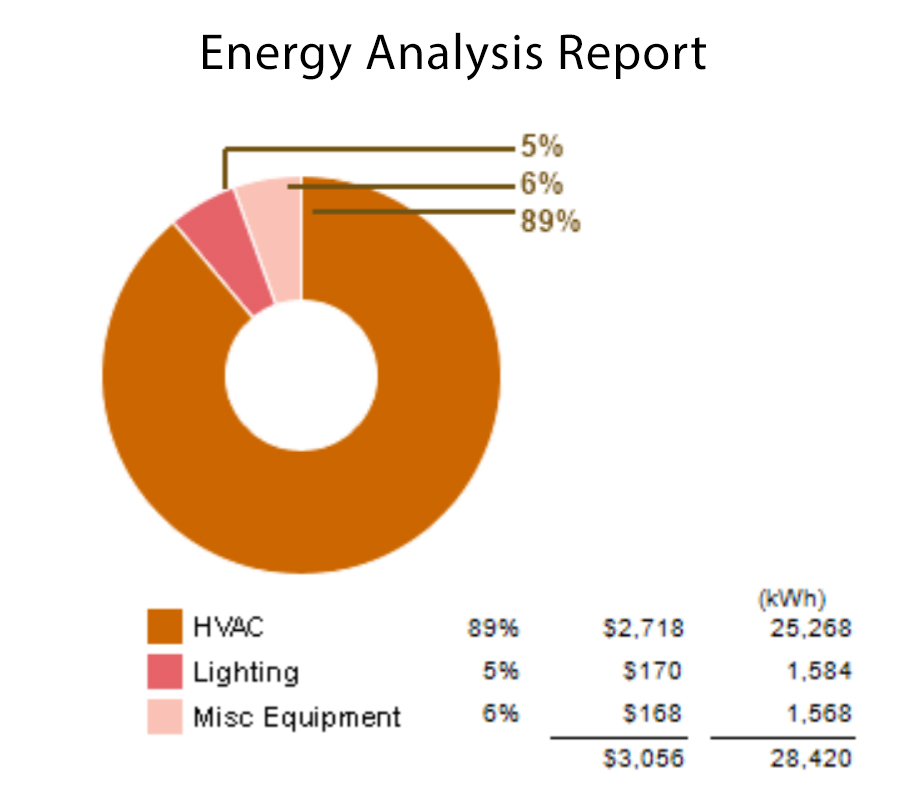
The HVAC system for your Timberbuilt house is going to be smaller than what’s required for a similarly sized stick-framed home. You’ll save on the upfront cost of the system, as well as a reduced heating & cooling bill for as long as you live in the home.
To help you rightsize your HVAC system Timberbuilt will provide you with an energy analysis. This analysis will take into account the location of your home, orientation/aspect, and the energy efficiency of the SIPs to ensure that you don’t end up with a larger HVAC system than what’s required.
For this analysis we partner with Trautman Associates, an architectural engineering firm that specializes in sustainable building.
By manufacturing the SIPs and timbers in a controlled environment, we use less labor, have higher quality control and spend less time on your job site. All of these factors reduce waste and cut down on costs.
It takes 24% less energy to produce the expanded polystyrene foam core of the SIPs than fiberglass insulation of equivalent R-value.
SIPs do not contain any VOCs or other harmful chemicals that can affect occupant health. The components used to make SIPs (foam, OSB and adhesive) meet some of the most stringent standards for indoor air quality including the American Lung Association’s Health House® indoor air quality standard.
The expanded polystyrene foam at the core of Insulspan SIPs is free of HCFCs and HFCs, chemicals released into the air by some other types of insulation.